Second Home Insurance on the Coast: What Coverage Gaps to Watch For
Owning a second home on the South Carolina coast is a privilege many families work hard to achieve. Whether it is a getaway on Folly Beach, a rental property in Myrtle Beach, or a quiet retreat on Hilton Head Island, coastal living comes with undeniable benefits. It also comes with unique insurance challenges that many homeowners do not discover until a claim is denied or underpaid.
At Anderson Insurance Associates, we have served coastal South Carolina for more than 40 years. We understand the risks that come with owning a second home in a hurricane‑prone region, and we regularly help clients identify coverage gaps before they become costly problems.
Below are the most common issues we see with coastal second home insurance and how to make sure your property is properly protected.
1. Flood Damage Is Not Covered by Standard Home Insurance
Many homeowners are surprised to learn that a standard home insurance policy does not cover flood damage. This is especially concerning in South Carolina, where more than 330,000 properties are at risk of flooding according to the First Street Foundation.
Flooding can result from storm surge, heavy rainfall, king tides, or overflowing marshes. To protect your second home, you will need either:
-
NFIP flood insurance
-
Private flood insurance, which often provides higher limits and broader coverage
If you are unsure which option is right for your property, our team can help you compare both. Learn more on our Flood Insurance page.
2. Wind and Hail Coverage May Be Limited or Excluded
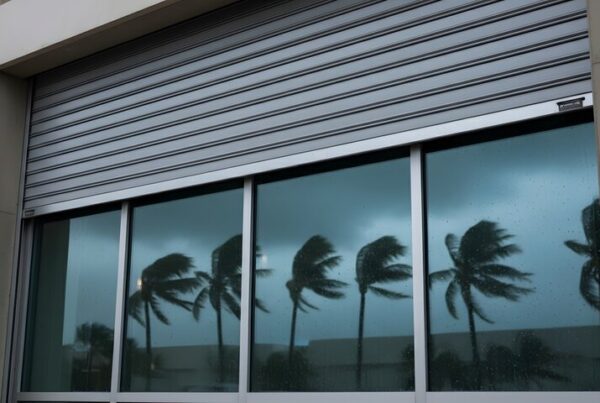
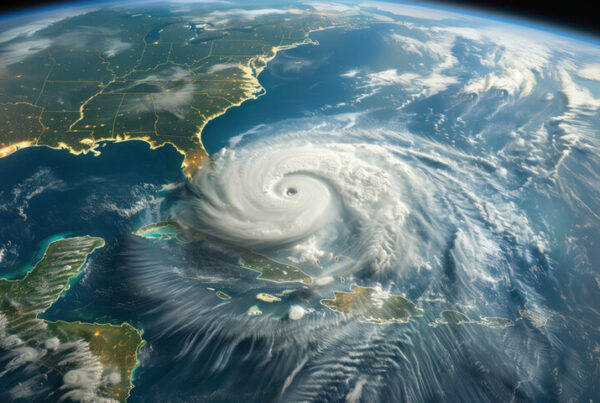
Coastal South Carolina is no stranger to wind damage. The state has experienced more than 30 tropical storms and hurricanes in the past 20 years, and many insurers now apply separate wind and hail deductibles for coastal homes.
These deductibles are often based on a percentage of your dwelling coverage, not a flat dollar amount. Some policies exclude wind coverage entirely unless you purchase a separate wind policy.
Common exclusions include:
-
Damage from hurricane force winds
-
Roof damage from wind driven rain
-
Broken windows or siding
If you are unsure whether your policy includes a named storm deductible, we recommend reviewing your declarations page or contacting our office for a policy review.
3. Mold and Moisture Damage Often Have Strict Limits
South Carolina’s coastal humidity creates ideal conditions for mold growth, especially in homes that sit vacant for long periods. Most insurance policies:
-
Cap mold coverage at a low dollar amount
-
Exclude mold caused by long term moisture
-
Deny claims if the home was not properly maintained
We often recommend mold endorsements or moisture intrusion coverage for second homes. These options can significantly reduce out of pocket costs after a storm or plumbing issue.
4. Short Term Rental Use May Not Be Covered
Many second homeowners in Charleston, Hilton Head, and Myrtle Beach rent their properties on platforms such as Airbnb or VRBO. However, standard second home policies typically exclude:
-
Guest injuries
-
Damage caused by renters
-
Loss of rental income
If you plan to rent your property, you may need a short term rental endorsement or a full landlord policy. Visit our Vacation Rental Insurance page for more information.
5. Power Outages and Utility Failures Are Often Excluded
Coastal storms frequently lead to extended power outages, sewer backups, and sump pump failures. Most standard policies exclude damage caused by utility interruptions unless you add specific endorsements.
Coverage options to consider include:
-
Sewer backup coverage
-
Equipment breakdown coverage
-
Utility service line protection
These additions are especially important for second homes that may go days or weeks without someone on site to catch a problem early.
6. Detached Structures May Not Be Fully Covered
Many coastal homes include docks, boat lifts, guest houses, storage sheds, or outdoor kitchens. These structures often have limited coverage or special exclusions, particularly for wind and water damage.
Docks and piers are frequently excluded entirely unless you add a specific rider. If your property includes waterfront structures, we strongly recommend reviewing your policy limits.
7. Vacancy Clauses Can Reduce or Deny Coverage
Most insurance policies include vacancy clauses that limit or exclude coverage if a home is unoccupied for more than 30 to 60 days. This is a common issue for second homes.
Vacancy can affect coverage for:
-
Vandalism
-
Water damage
-
Theft
-
Maintenance related issues
A vacancy permit or seasonal home endorsement can help ensure your coverage remains intact year round.
8. Replacement Cost May Not Match Coastal Rebuild Costs
Rebuilding on the South Carolina coast is more expensive than many homeowners realize. Elevated foundations, wind resistant materials, and stricter building codes can significantly increase reconstruction costs.
According to the South Carolina Department of Insurance, coastal rebuild costs can be 20 to 40 percent higher than inland construction.
If your policy is based on outdated replacement cost estimates, you may be underinsured. We recommend requesting a replacement cost evaluation every 12 to 18 months.
Protecting Your Coastal Second Home
A second home is a major investment, and the right insurance strategy ensures it stays protected no matter what the weather brings. At Anderson Insurance Associates, we take pride in helping South Carolina homeowners understand the risks and close coverage gaps before they become costly surprises.
If you would like a complimentary review of your second home insurance policy, contact our team today or visit our Home Insurance page.